

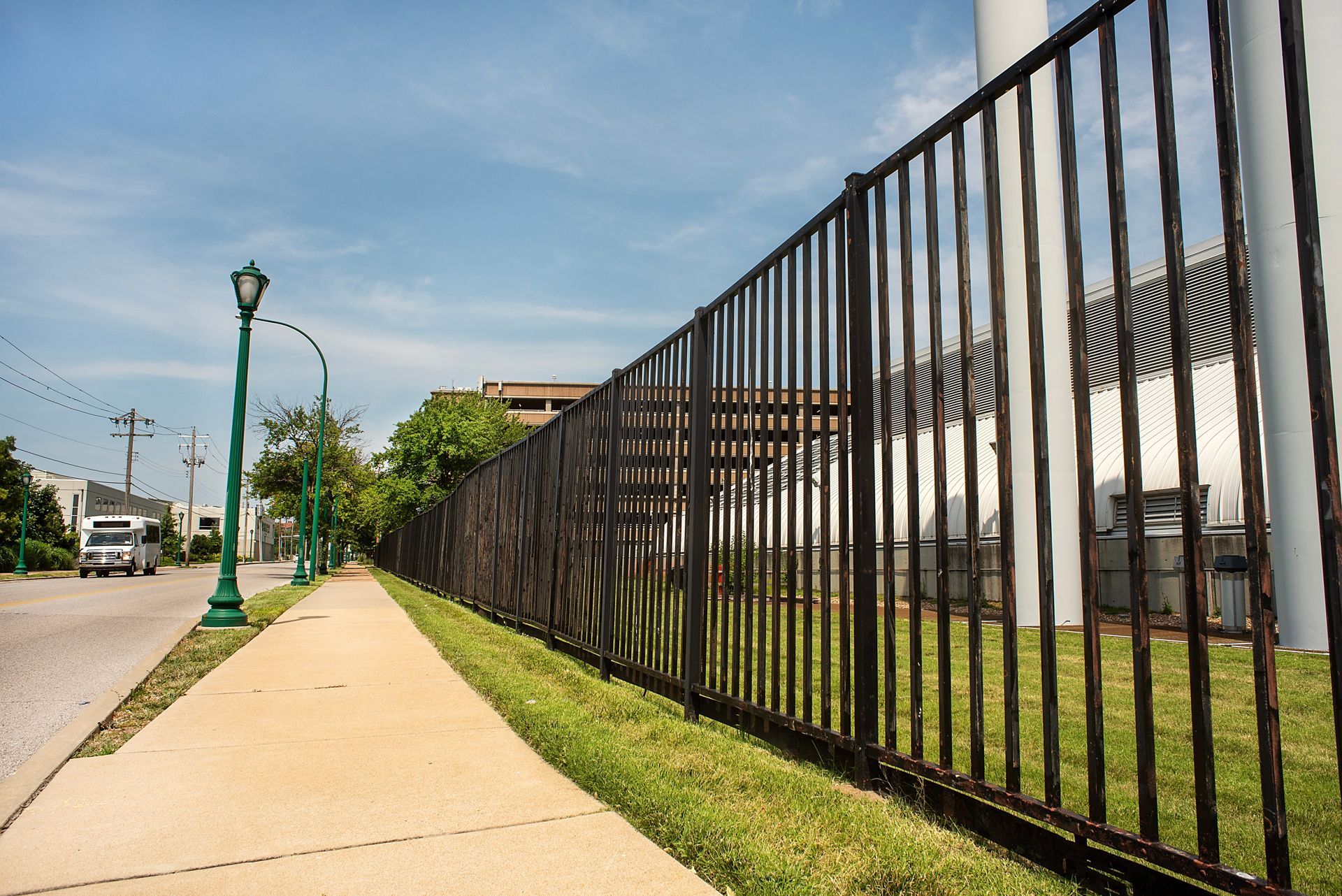
For a business, a fence is more than a boundary. It protects inventory and equipment, controls how people and vehicles move through the site, limits liability, and shapes the first impression customers get when they pull in. Perimeter Access Solutions provides commercial fencing in Wilmington, NC and surrounding areas, including Leland, Hampstead, Castle Hayne, Wrightsville Beach, Carolina Beach, and Porters Neck. We install commercial fencing for warehouses, industrial yards, offices, retail centers, HOA communities, apartment complexes, marinas, storage facilities, utilities, schools, and construction sites. Because we also install security gates, gate operators, access control, and surveillance cameras, your commercial fencing can be designed as one complete perimeter security system rather than a fence with gaps at every entrance.
Schedule commercial fencing
in Wilmington, NC with Perimeter Access Solutions
today.
Commercial Fencing by Property Type
Every commercial property has different risks, traffic patterns, and appearance standards. Commercial fencing is planned around how the site actually operates.
Industrial Facilities and Warehouses
Industrial commercial fencing protects loading docks, equipment yards, material storage, and truck lanes. Taller heights, heavy-gauge materials, and wide vehicle gates are standard for these sites.
Offices and Retail Centers
Office parks and retail properties need commercial fencing that secures parking areas, rear service zones, and storage while maintaining a clean, professional appearance at the front of the property.
HOA and Gated Communities
Community perimeter fencing defines neighborhood boundaries, secures entrances, and encloses pools, playgrounds, and amenity areas. Consistent materials and colors keep the community uniform.
Apartment and Multifamily Properties
Multifamily commercial fencing secures parking lots, pool areas, dog parks, trash enclosures, and pedestrian entries while controlling access for residents and guests.
Marinas and Waterfront Businesses
Marinas and waterfront properties need commercial fencing that stands up to direct salt exposure while securing docks, boat storage, and parking areas.
Self-Storage and Equipment Rental Yards
Storage facilities and rental yards rely on commercial fencing paired with gated access tied to tenant or customer accounts.
Schools, Churches, and Public Facilities
Schools, churches, parks, and municipal properties use commercial fencing to define safe zones, control visitor entry, and protect athletic fields and play areas.
Construction Sites
Temporary and semi-permanent commercial fencing keeps the public out of active job sites and protects equipment and materials during every phase of construction.
Commercial Fencing Types and Materials
The right material depends on security level, appearance requirements, budget, and exposure to Wilmington's coastal climate.
Commercial Chain Link Fencing
Heavy-gauge galvanized or vinyl-coated chain link is one of the most widely used commercial fencing options. It covers large areas cost-effectively and can be fitted with privacy slats, windscreen, or top deterrents.
Ornamental Steel Fencing
Ornamental steel commercial fencing combines strength with a refined appearance. It is common at office parks, communities, and public facilities where security and curb appeal both matter.
Welded Wire Mesh Fencing
Welded mesh panels with tight openings are difficult to climb or cut, making them a strong choice for high-security commercial fencing at utilities, data facilities, and industrial sites.
Aluminum Commercial Fencing
Commercial-grade aluminum resists corrosion, making it a practical choice for pools, waterfront properties, and coastal communities.
Vinyl and Privacy Screening
Vinyl commercial fencing and privacy screening hide dumpsters, equipment, storage areas, and utility boxes from public view.
Temporary Fencing Panels
Portable panels with weighted bases provide quick, flexible commercial fencing for construction projects, events, and short-term security needs.
Security Features and Code Compliance for Commercial Fencing
Commercial fencing often needs to do more than enclose an area. Security features and compliance requirements shape the final design.
Height and Anti-Climb Design
Taller fence heights, tight picket or mesh spacing, minimal exterior rails, and pointed tops make commercial fencing harder to scale.
Top Deterrents
Barbed wire, razor wire, and other top deterrents may be added to commercial fencing where local regulations allow, increasing resistance to climbing.
Anti-Cut and Anti-Tamper Construction
Heavier gauge materials, security fasteners, and welded connections help commercial fencing resist cutting and disassembly.
Bottom Rails and Ground Clearance
Bottom rails, tension wire, and minimal ground clearance prevent people and animals from crawling under commercial fencing.
Zoning and Building Code Requirements
Local zoning and building codes may regulate fence height, setbacks, materials, top deterrents, and sight triangles at driveways and intersections.
Pool and Amenity Compliance
Commercial pools at apartments, HOAs, hotels, and clubs require fencing and gates that meet specific height, spacing, and self-closing, self-latching requirements.
Emergency Access
Commercial fencing with gated entrances must allow fire, police, and EMS access through emergency access devices or approved release methods.
Request a commercial fencing estimate in Wilmington, NC from Perimeter Access Solutions.
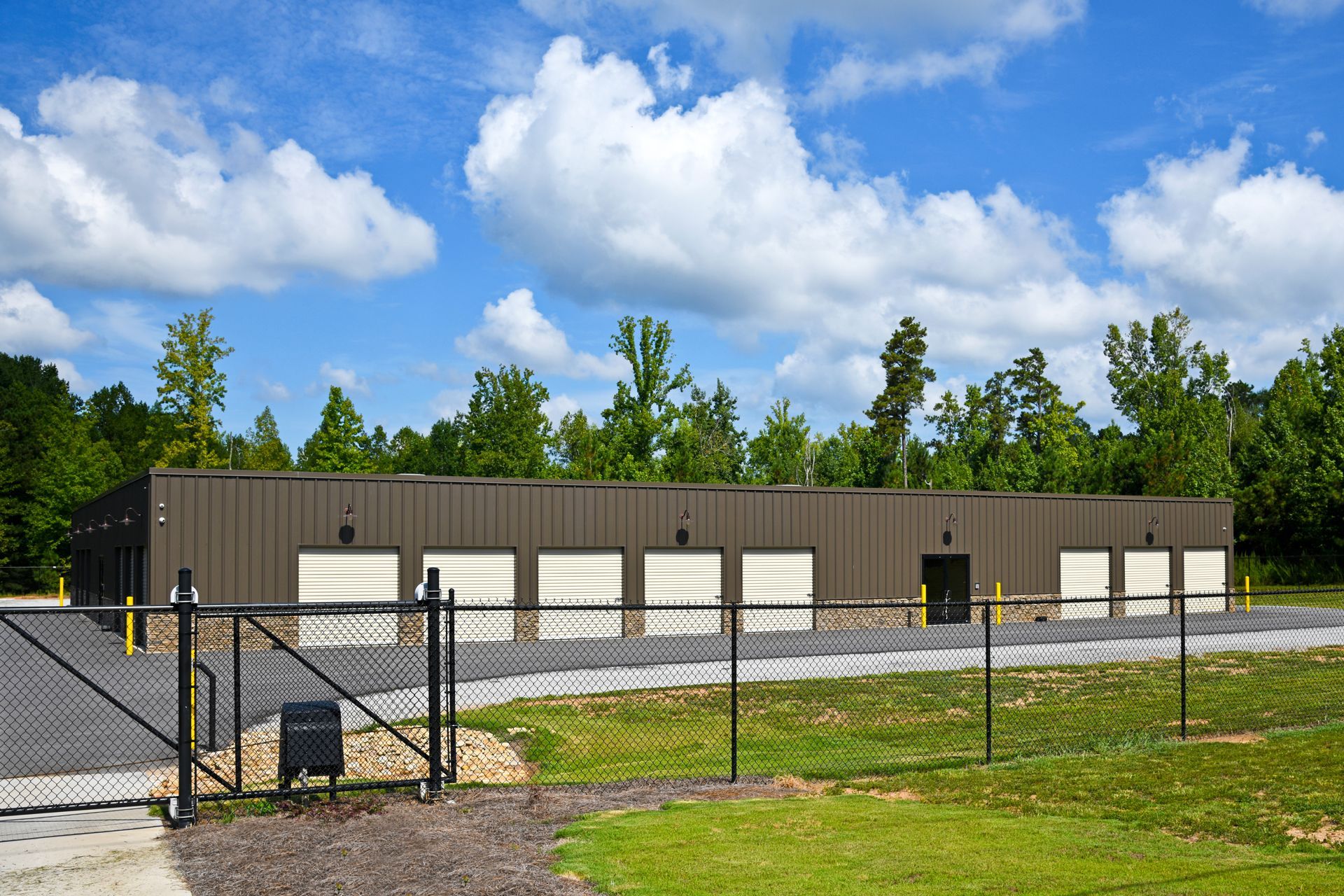
Integrating Commercial Fencing With Gates, Access Control, and Cameras
A fence line protects a property only when its entry points are just as secure. Integrating commercial fencing with gates and security systems closes those gaps.
Vehicle Gates
Swing, slide, and cantilever gates are matched to the fence material and sized for cars, trucks, and equipment. Cantilever gates are well suited to sandy or uneven ground where tracks would clog.
Pedestrian Gates
Pedestrian gates with keyed or electronic locks control foot traffic at employee entrances, pool areas, and amenity spaces.
Automated Gate Operators
Automated operators close gates after every authorized entry, preventing the most common security failure on commercial properties.
Access Control
Card readers, keypads, fobs, mobile credentials, and vehicle tags determine who can pass through gates in the commercial fencing perimeter and record every entry.
Surveillance Cameras
Cameras positioned along commercial fencing, corners, and gates monitor the perimeter and record activity at every entry point.
Conduit and Infrastructure Planning
Planning conduit and power during commercial fencing installation makes it easier to add operators, readers, and cameras now or in the future.
Planning and Installing Commercial Fencing on Wilmington Sites
Commercial fencing projects require coordination with site plans, business operations, and coastal conditions.
Site Assessment and Layout
Each project begins with a review of property lines, site plans, traffic flow, entrances, drainage, and security needs to determine fence layout and gate placement.
Minimizing Business Disruption
Commercial fencing installation can be scheduled and phased to keep entrances open, maintain traffic flow, and reduce disruption to daily operations.
Footings for Coastal Soil and Wind
Sandy soil, high water tables, and hurricane winds require properly sized post footings set at adequate depth so commercial fencing stays plumb and secure.
Corrosion Resistance
Galvanized, powder-coated, vinyl-coated, and aluminum materials help commercial fencing resist salt air and humidity.
Inspection and Maintenance
Regular inspections, especially after storms, help identify damaged sections, loose fittings, leaning posts, and gate hardware issues before they become security gaps.
Frequently Asked Questions About Commercial Fencing in Wilmington, NC
What is the best commercial fencing for security?
Welded wire mesh, ornamental steel with anti-climb features, and heavy-gauge chain link with top deterrents are strong commercial fencing choices for security, especially when paired with secure gates and access control.
How much does commercial fencing cost?
Commercial fencing cost depends on material, height, linear footage, terrain, number of gates, security features, and site conditions. An on-site assessment provides an accurate estimate.
How tall should commercial fencing be?
Commercial fencing height depends on the security level required and local regulations. Many security applications use heights of six to eight feet or more where permitted.
Is chain link a good option for commercial fencing?
Yes, commercial-grade chain link is durable, cost-effective, and covers large areas well. Vinyl coating, privacy slats, and top deterrents can improve appearance and security.
What commercial fencing works best near the coast?
Aluminum, vinyl-coated chain link, and galvanized or powder-coated steel are well suited to coastal commercial fencing because they resist corrosion from salt air.
Do I need a permit for commercial fencing?
Most commercial fencing projects require permits and must comply with zoning rules for height, setbacks, materials, and visibility at driveways and intersections.
Can commercial fencing be installed without disrupting my business?
Yes, commercial fencing installation can be phased and scheduled to keep entrances open and reduce interruptions to customers, employees, and deliveries.
Can gates and access control be added to commercial fencing?
Yes, vehicle and pedestrian gates can be integrated into commercial fencing with automated operators, card readers, keypads, intercoms, and cameras.
What type of gate works best with commercial fencing?
Cantilever and slide gates work well for wide commercial openings and uneven or sandy ground, while swing gates suit narrower entrances with enough clearance.
How long does commercial fencing last?
Commercial fencing lifespan depends on material, coating, installation quality, and exposure. Coated steel, aluminum, and galvanized chain link typically offer long service life with routine maintenance.
Can commercial fencing hide dumpsters and equipment?
Yes, vinyl fencing, privacy slats, and screening panels can enclose dumpsters, mechanical equipment, and storage areas to keep them out of public view.
Does commercial fencing reduce theft and trespassing?
Commercial fencing creates a physical barrier that deters trespassing and theft, and its effectiveness increases when combined with security gates, access control, and surveillance cameras.