

The right fence makes a backyard feel private, keeps the dog home, protects kids around the pool, and gives the front of the house a finished look. The wrong fence leans after the first big storm, fades in the sun, or gets flagged by the HOA. Perimeter Access Solutions provides residential fencing in Wilmington, NC and surrounding areas, including Leland, Hampstead, Wrightsville Beach, Carolina Beach, Porters Neck, Ogden, and Castle Hayne. We help homeowners choose residential fencing based on purpose, style, neighborhood requirements, and coastal exposure, then build it on solid footings with gates that open and close the way they should for years.
Schedule residential fencing
in Wilmington, NC with Perimeter Access Solutions
today.
Choosing Residential Fencing by Purpose
Every homeowner starts with a reason for adding a fence. That reason drives height, spacing, material, and gate design more than anything else.
Privacy
Privacy-focused residential fencing uses solid panels or tight board spacing to block views from neighbors and the street. Backyards, patios, hot tub areas, and outdoor kitchens are the most common locations.
Pet Containment
Dogs that dig, jump, or squeeze through gaps need residential fencing designed for their size and habits. Fence height, bottom clearance, picket spacing, and secure latches all matter. Puppy picket panels and buried bottom rails can stop smaller dogs from slipping out.
Child Safety
Families with young children often want residential fencing that keeps kids in the yard and away from streets, driveways, and water. Self-closing gates with latches mounted out of reach add another layer of protection.
Pool Safety
Pool enclosures require residential fencing that meets code for minimum height, picket spacing, and self-closing, self-latching gates. Ornamental aluminum is a common choice because it meets requirements while keeping the pool area visible.
Curb Appeal and Property Definition
Front yard residential fencing frames the home, marks property lines, and adds value without walling the house off from the street. Shorter heights and open designs are typical for front yards.
Noise and Wind Reduction
Solid residential fencing can soften road noise and block prevailing coastal breezes from patios and gardens, though solid designs also face greater wind loads during storms.
Residential Fencing Styles
Style choices shape how a fence looks from the street, from inside the yard, and from the neighbor's side.
Full Privacy Fences
Commercial perimeter fencing secures parking areas, storage zones, and building exteriors while presenting a professional appearance to customers and visitors.
Shadowbox and Board-on-Board Fences
Shadowbox residential fencing alternates boards on both sides of the rails, so the fence looks finished from either side while still providing strong privacy and allowing some airflow.
Picket Fences
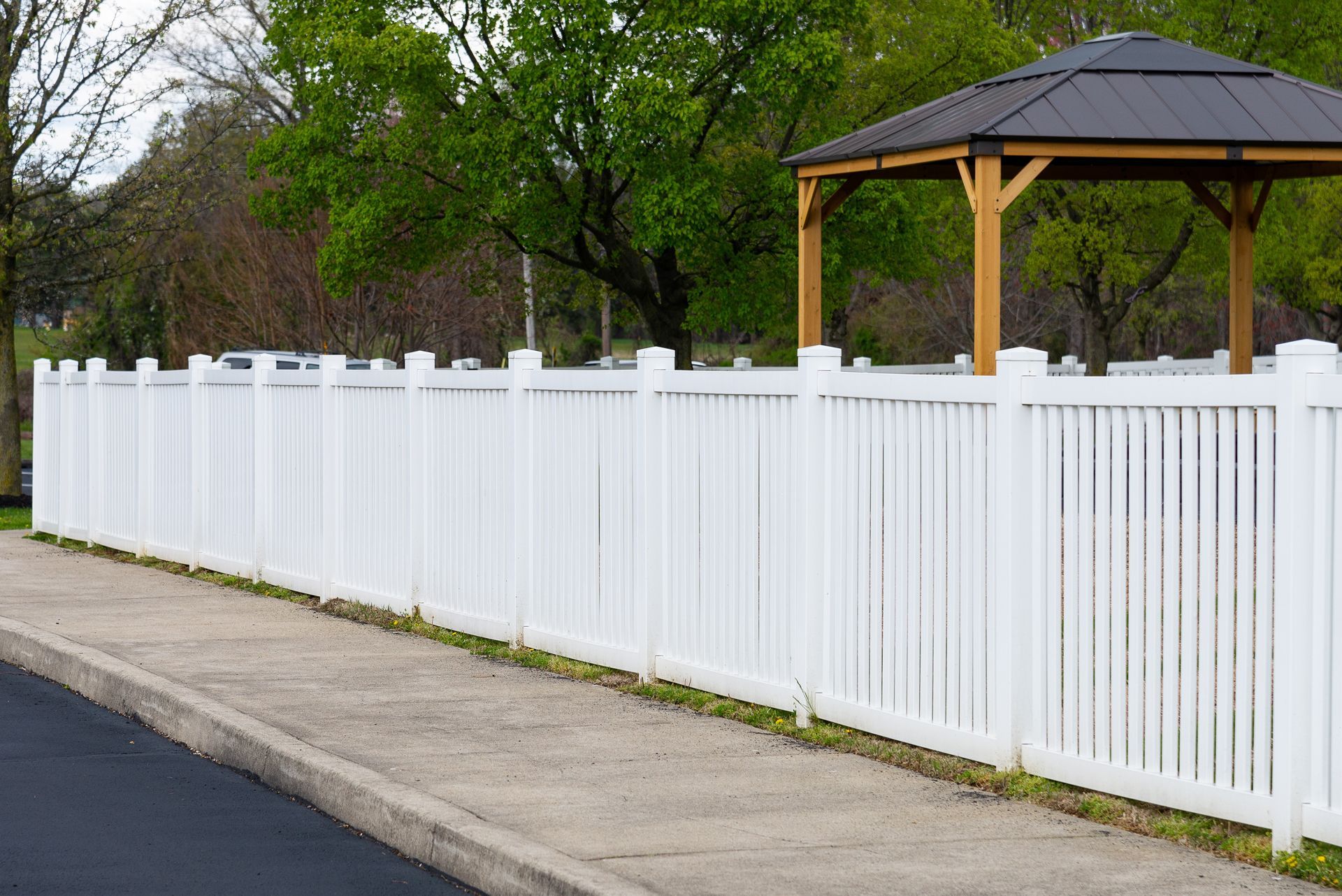
Picket fences are a classic front yard option. They define space and add charm without blocking views.
Ornamental and Decorative Fences
Ornamental residential fencing in aluminum or steel provides an elegant, open look. Decorative post caps, finials, and scrolls add detail.
Semi-Privacy and Lattice-Top Fences
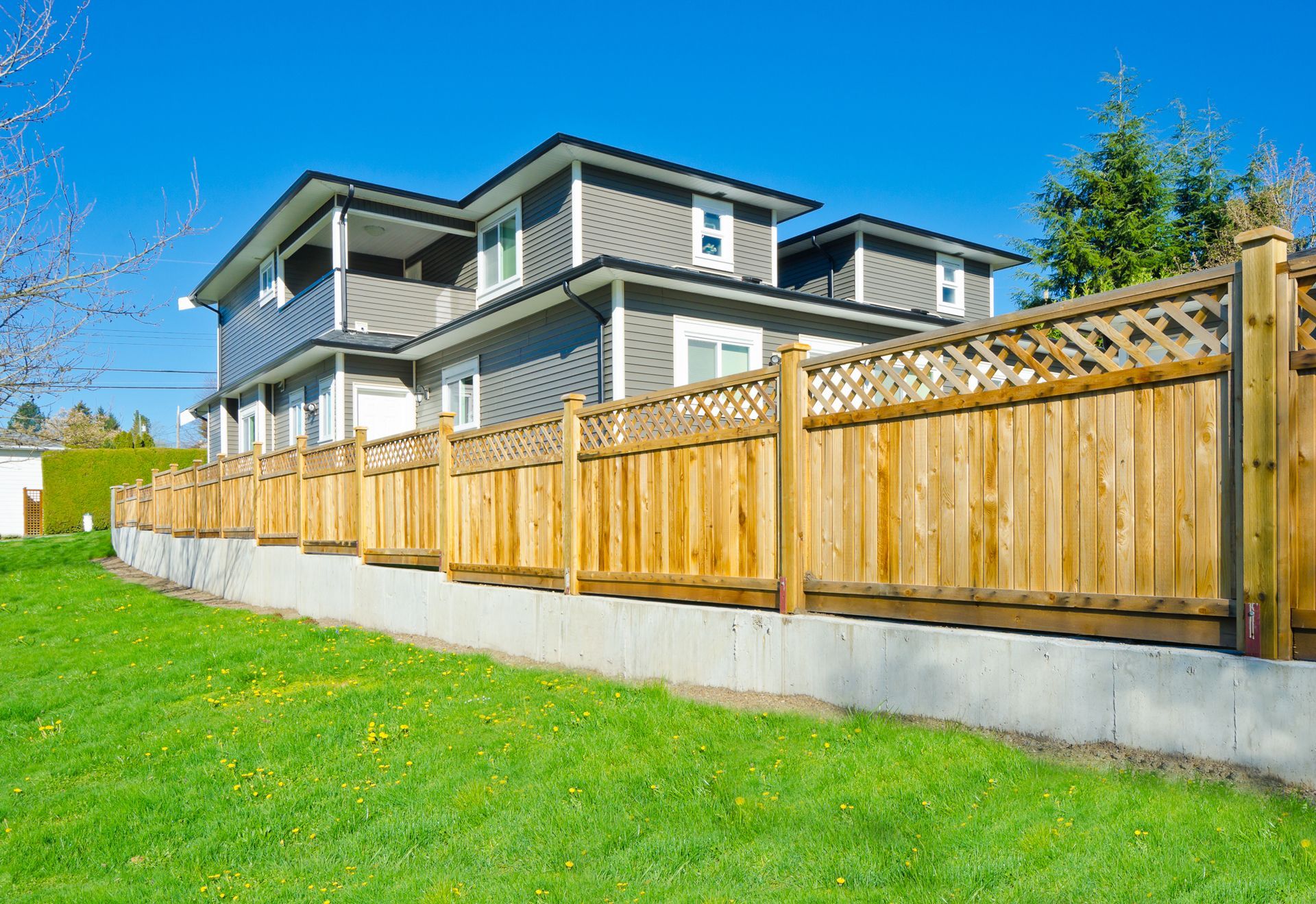
Semi-privacy styles leave small gaps or add lattice along the top, balancing privacy with light and airflow.
Split Rail and Ranch Fences
Split rail fencing suits larger lots and rural properties in areas like Castle Hayne and Hampstead, marking boundaries with a rustic look. Wire mesh can be added for pet containment.
Residential Fencing Materials for Coastal Homes
Wilmington's salt air, humidity, intense sun, heavy rain, and sandy soil put residential fencing through more stress than inland climates. Material choice determines how well a fence holds up.
Aluminum Residential Fencing
Aluminum does not rust, making it well suited for homes near the beach, waterway, and marsh. It requires little maintenance and is a popular option for pools and front yards.
Vinyl Residential Fencing
Vinyl resists moisture, rot, mildew, and insects and never needs painting. High-quality vinyl with UV inhibitors holds its color in strong coastal sun.
Wood Residential Fencing
Pressure-treated pine and cedar offer natural warmth and flexible styling. Staining or sealing every few years helps wood residential fencing resist moisture, warping, and decay in humid conditions.
Steel and Wrought Iron Residential Fencing
Steel provides maximum strength for homeowners who want added security. Galvanized and powder-coated finishes help reduce corrosion, though coastal homes should plan for periodic touch-ups.
Chain Link Residential Fencing
Vinyl-coated chain link offers affordable, durable coverage for large backyards and pet areas and blends in better than bare galvanized wire.
Composite Residential Fencing
Composite fencing combines wood fibers and plastic for a wood-like appearance with lower maintenance and better moisture resistance.
Request a residential fencing estimate in Wilmington, NC from Perimeter Access Solutions.
Planning Residential Fencing Around HOAs, Property Lines, and Neighbors
Many fence problems happen before a single post goes in the ground. Careful planning keeps residential fencing compliant and avoids disputes.
HOA Guidelines
Many Wilmington-area neighborhoods have architectural guidelines that control fence height, material, color, style, and placement. Getting HOA approval before installation prevents forced removal or costly changes.
Property Lines and Surveys
Residential fencing should be placed using a survey or plat to confirm boundaries. Some homeowners set fences slightly inside the property line to allow room for maintenance.
Local Permits and Setbacks
Local rules may limit fence height in front yards, near corners, and along roadways for visibility. Permit requirements vary by jurisdiction.
Easements and Utilities
Drainage and utility easements may restrict where residential fencing can be placed. Utility locating is completed before digging to protect underground lines.
Neighbor Considerations
Talking with neighbors before installing residential fencing along a shared boundary helps avoid surprises. Good-neighbor styles like shadowbox look finished on both sides.
Drainage and Flood-Prone Lots
Low-lying and flood-prone yards may need residential fencing with bottom clearance or open designs that allow water to pass through rather than trapping debris.
Gates, Home Security, and Long-Term Care for Residential Fencing
A fence is only as useful as its gates, and only as durable as its construction and upkeep.
Walk Gates and Side Gates
Walk gates provide daily access to backyards and side yards. Heavy-duty hinges, strong gate posts, and quality latches keep them from sagging and dragging.
Double Drive Gates
Wide double gates allow trailers, boats, lawn equipment, and vehicles into the backyard. Reinforced frames and center drop rods hold both leaves securely.
Automated Driveway Gates
Residential fencing can be paired with automated driveway gates, keypads, smartphone access, and video intercoms for added convenience and security.
Camera Coverage Along the Fence Line
Security cameras positioned along residential fencing, gates, and driveways give homeowners a clear view of who approaches the property.
Post Footings for Coastal Soil
Posts set at proper depth in concrete keep residential fencing straight and stable in sandy soil and high winds.
Routine Maintenance
Inspecting residential fencing after storms, tightening hardware, clearing vegetation, cleaning vinyl and aluminum, and resealing wood extend the life of the fence.
Frequently Asked Questions About Residential Fencing in Wilmington, NC
What is the best residential fencing material for coastal homes?
Aluminum and vinyl are among the best residential fencing materials for coastal homes because they resist rust, rot, and moisture with minimal maintenance.
How much does residential fencing cost in Wilmington?
Residential fencing cost depends on material, height, linear footage, style, terrain, and the number of gates. An on-site estimate provides accurate pricing for your yard.
How tall can a residential fence be?
Backyard privacy fences are commonly six feet tall, while front yard fences are often limited to shorter heights. Local rules and HOA guidelines determine the maximum allowed height.
Do I need HOA approval for residential fencing?
If your home is in an HOA community, approval is usually required before installing residential fencing. Guidelines often cover height, material, color, and style.
What fence is best for keeping dogs in the yard?
Solid privacy fences, vinyl, wood, and chain link with minimal gaps work well for dogs. Taller heights and buried or low bottom rails help stop jumping and digging.
Which side of the fence should face the neighbor?
Many local rules and HOA guidelines require the finished side of the fence to face outward toward neighbors or the street. Shadowbox styles look finished on both sides.
How long does residential fencing last?
Aluminum, vinyl, and coated steel residential fencing typically lasts longer than wood. Wood fences last longer with regular sealing and maintenance.
What residential fencing works for pools?
Ornamental aluminum and pool-compliant vinyl are common pool fencing choices. Pool fences must meet height, spacing, and self-closing gate requirements.
Can residential fencing withstand hurricanes?
Residential fencing with properly set posts and quality materials holds up better in storms. Open styles allow wind to pass through, while solid privacy fences face higher wind loads.
Can I add an automatic gate to my residential fence?
Yes, an automatic driveway gate can be added to residential fencing when gate posts are strong enough to support an operator and power can be supplied.
How long does residential fencing installation take?
Most residential fencing projects are completed in a few days once materials arrive and permits or HOA approvals are in place.
Does residential fencing increase home value?
Well-built residential fencing can improve curb appeal, privacy, and usability of the yard, which many buyers value, especially families and pet owners.