

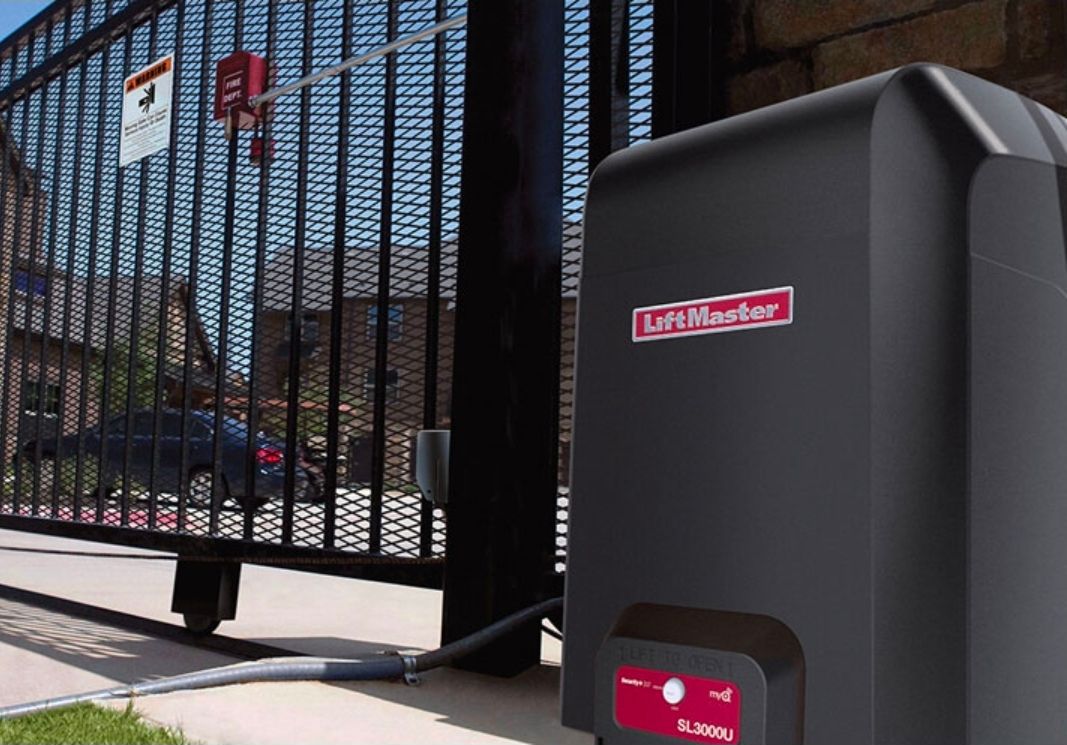
The gate itself is only half of a working entry. The other half is the system that opens, closes, locks, and controls it. Perimeter Access Solutions designs, installs, upgrades, and replaces gate operating systems in Wilmington, NC and surrounding areas, including Leland, Hampstead, Wrightsville Beach, Carolina Beach, Porters Neck, and Castle Hayne. We work with automatic and manual gate operating systems for homes, HOA communities, commercial lots, marinas, and industrial facilities. Each system is selected based on gate weight, length, style, daily traffic, available power, and how you want to manage access, so your gate runs consistently in coastal heat, humidity, and storm conditions.
Schedule a gate operating systems consultation
in Wilmington, NC with Perimeter Access Solutions.
What Gate Operating Systems Include
Gate operating systems are the combination of mechanical hardware, motorized operators, controls, and access devices that determine how a gate moves and who can use it. A complete system is engineered as a unit, because a strong operator paired with weak hinges or the wrong control settings will still fail.
Mechanical Hardware
Hinges, rollers, tracks, guide posts, latches, and drop rods form the foundation of all gate operating systems. This hardware carries the weight of the gate and keeps it aligned. Worn or undersized hardware causes binding that forces an electric gate operator to work harder than it was designed to.
The Gate Operator
The gate operator supplies the force that moves the gate. In automatic gate operating systems, this is a motorized unit with a gearbox and drive. In manual gate operating systems, the operator is the person using the gate, supported by closers, counterweights, and latching hardware.
Controls and Logic
The control board sets timing, speed, force limits, auto-close behavior, and response to safety devices. Well-configured controls are what make gate operating systems feel smooth and dependable instead of jerky or unpredictable.
Access Devices
Remotes, keypads, card readers, intercoms, and vehicle sensors tell the system when to open. These devices connect the people using the property to the gate operating system.
Automatic and Electric Gate Operators
Automatic gate operators and electric gate operators come in several configurations. Choosing the correct one depends on how the gate moves, how heavy it is, and how often it cycles each day.
Swing Gate Operators
Swing gate operators use linear arms, articulated arms, or underground units mounted at the hinge. They are sized by gate leaf length and weight. Dual-leaf gates require synchronized operators so both sides open and close together and lock evenly at the center.
Slide Gate Operators
Slide gate operators move a gate along its fence line using a chain drive or rack-and-pinion drive. They handle heavier and wider gates than most swing operators and are a practical choice for sloped driveways and commercial entries.
Barrier Arm Operators
Barrier arm operators raise and lower a gate arm for fast vehicle control at parking areas, marinas, storage facilities, and community entrances. They are built for high cycle counts and quick response.
AC vs. DC Electric Gate Operators
AC electric gate operators run on standard line voltage and deliver steady power for heavy, high-traffic gates. DC electric gate operators run on low voltage, offer soft start and soft stop, and work easily with battery backup and solar charging. Many residential gate operating systems use DC operators, while large commercial gates often use AC units.
Duty Ratings
Gate operators are rated for residential, light commercial, commercial, or industrial duty. The rating reflects how many cycles per day and how much continuous use the operator can handle. Installing a residential-rated operator on a busy commercial gate is one of the most common reasons gate operating systems fail early.
Manual Gate Operating Systems
Not every gate needs a motor. Manual gate operating systems remain a strong choice for walk gates, pool gates, side yard gates, farm entries, and low-use driveway gates.
Self-Closing Hinges and Gate Closers
Spring hinges and hydraulic closers return a gate to the closed position after use. They are essential for pool enclosures and any location where a gate left open creates a safety or security issue.
Latches and Locking Hardware
Gravity latches, magnetic latches, keyed locks, and padlockable hardware keep manual gates secure. Latch height and placement are especially important for pool gates that must meet safety requirements.
Rolling and Cantilever Hardware for Manual Slide Gates
Manual slide gates rely on quality rollers and properly aligned tracks or cantilever carriages. Smooth hardware allows a heavy gate to be moved by hand without strain.
Preparing a Manual Gate for Future Automation
When a manual gate operating system is installed with heavy-duty posts, reinforced frames, and conduit for future wiring, the gate can be upgraded to an automatic gate operator later with minimal additional work.
Request an automatic gate operator estimate in Wilmington, NC from Perimeter Access Solutions.
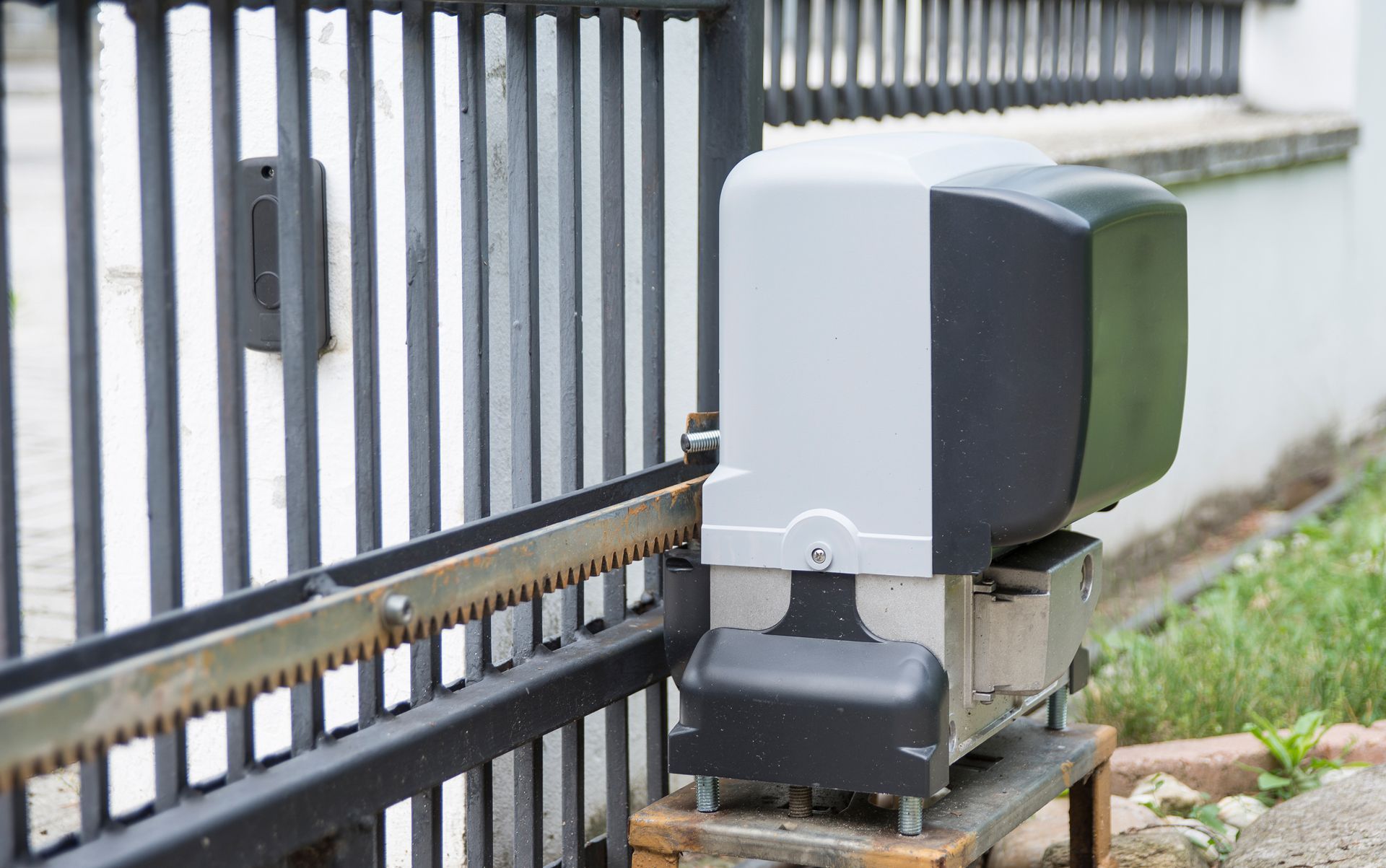
Access Management for Gate Operating Systems
Access management determines who can enter a property, at what times, and how activity is recorded. It is the part of gate operating systems that property owners interact with every day.
Residential Access Management
Homeowners typically use remote transmitters, keypads, and smartphone apps. Temporary codes allow guests, contractors, and delivery drivers to enter without sharing a permanent code.
Commercial and Community Access Management
Businesses, HOAs, and multifamily properties often need individual credentials for each user. Card readers, key fobs, and cloud-based access platforms allow managers to add or remove users, set schedules, and review entry logs without changing the entire system.
Visitor Entry Systems
Telephone entry and video intercom systems let visitors request entry. The resident or front office can see or speak with the visitor and open the gate remotely.
Vehicle Detection
Loop detectors and wireless sensors detect vehicles to trigger free exit, hold the gate open while a vehicle passes, and prevent the gate from closing on a car. Proper vehicle detection is a key part of safe commercial gate operating systems.
Emergency Access
Gate operating systems in many jurisdictions must allow emergency responders to enter. Emergency access devices, siren-activated openers, and manual release keys provide that access.
Upgrading, Replacing, and Protecting Gate Operating Systems on the Coast
Wilmington's climate is hard on gate operating systems. Salt air, high humidity, heavy rain, lightning, and hurricane winds all affect operator lifespan and reliability.
Signs Your Gate Operator Needs Replacement
Slow or inconsistent movement, frequent resets, grinding or humming without movement, corrosion inside the housing, and repeated control board failures are signs that a gate operator is near the end of its service life. Older gate operating systems may also lack modern safety features.
Upgrading Older Gate Operating Systems
Upgrades can include replacing an outdated operator, adding battery backup, switching to a DC electric gate operator with soft start and stop, adding photo-eye and edge sensors, or integrating smartphone access management.
Corrosion and Weather Protection
Sealed housings, coated or stainless hardware, elevated mounting, and weather-protected wiring help gate operating systems survive coastal exposure. Proper drainage is especially important for underground operators.
Surge and Lightning Protection
Surge protection on power and communication lines helps protect control boards from lightning strikes and utility surges, which are common causes of electronic failure in gate operator systems.
Frequently Asked Questions About Gate Operating Systems in Wilmington, NC
What is a gate operating system?
A gate operating system is the complete set of hardware, operators, controls, and access devices that move a gate and manage entry. It can be fully automatic, electric, or manual depending on how the gate is used.
What is the difference between a gate operator and a gate opener?
The terms are often used interchangeably. A gate operator, also called a gate opener, is the motorized unit that physically opens and closes the gate as part of a larger gate opener system.
How do I choose the right automatic gate operator?
The right automatic gate operator is chosen based on gate type, weight, length, daily cycle count, available power, and site conditions. Matching the operator's duty rating to actual gate use is essential for long-term reliability.
Are electric gate operators better than manual gates?
Electric gate operators add convenience, security, and access control, making them ideal for driveways and commercial entries. Manual gate operating systems are often the better fit for walk gates, pool gates, and low-use entries.
What is the difference between AC and DC gate operators?
AC gate operators run on standard line voltage and suit heavy, high-traffic gates. DC gate operators run on low voltage, offer smoother movement, and work well with battery backup and solar power.
How long do gate operators last?
A properly sized and maintained gate operator commonly lasts many years. Lifespan depends on daily cycles, gate weight, exposure to salt air and weather, and how consistently the system is serviced.
Can I replace my gate operator without replacing the gate?
Yes, most gates can receive a new gate operator if the gate and posts are in good condition. The new operator must be rated for the gate's weight, length, and usage.
Do gate operating systems work during a power outage?
Gate operating systems with battery backup continue working for a limited number of cycles during an outage. All automatic gate operators also include a manual release for hand operation.
What access control options work with gate operating systems?
Common options include remote transmitters, keypads, card readers, key fobs, telephone entry, video intercoms, smartphone apps, and vehicle detection sensors.
Can gate operating systems be controlled from a smartphone?
Yes, many modern gate operating systems connect to Wi-Fi or cellular controllers that allow opening, closing, guest access, and activity alerts from a smartphone app.
What safety features should a gate operator have?
A gate operator should include obstruction detection and work with external safety devices such as photo-eye sensors and contact edges that stop or reverse the gate when something is in its path.
How often should gate operating systems be serviced?
Gate operating systems should be inspected at least once or twice a year. Coastal properties benefit from more frequent service to address corrosion, check safety devices, and test batteries.