

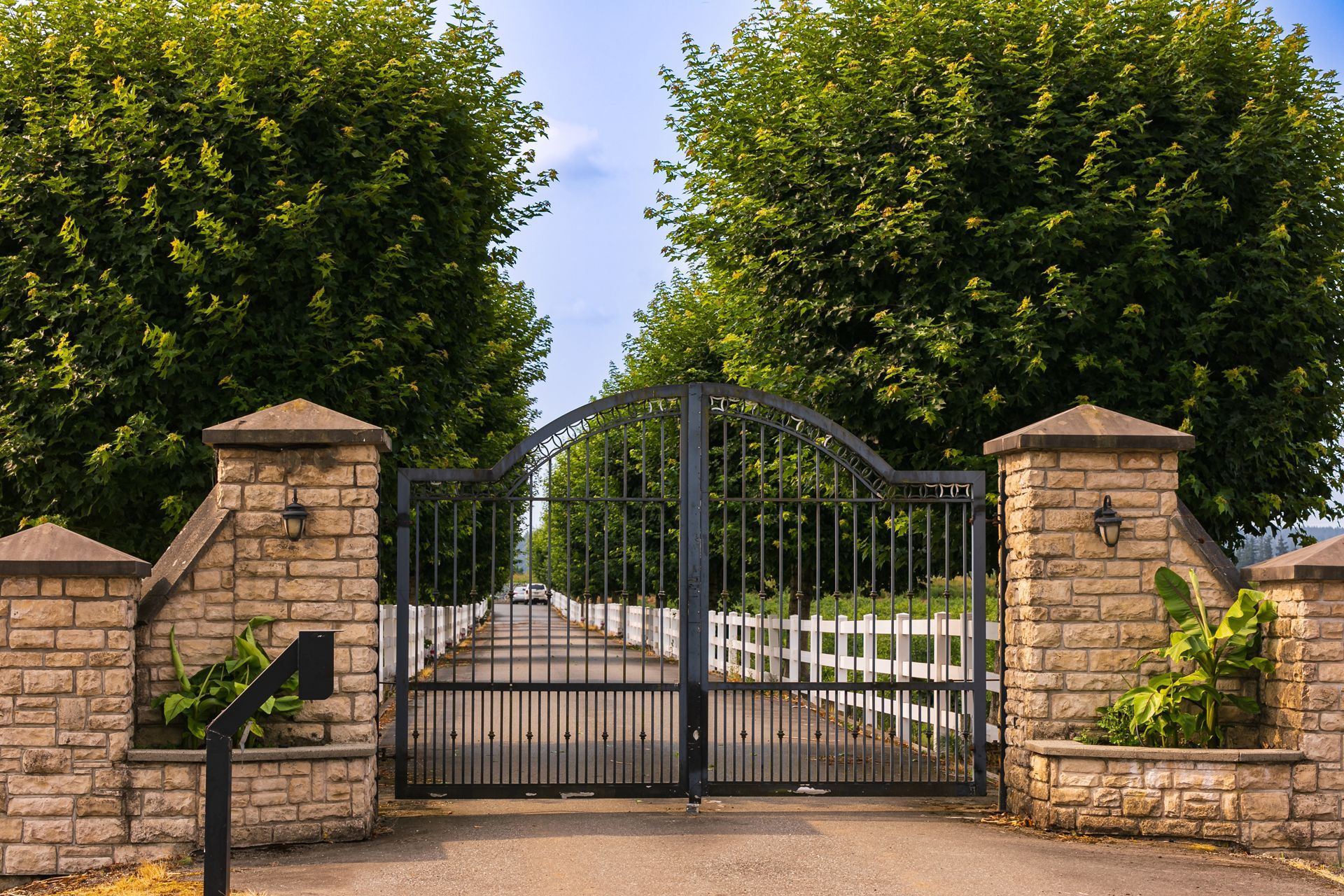
A fence sets the boundary of your property, and how well it is built determines whether that boundary holds. Perimeter Access Solutions provides fence installation in Wilmington, NC and surrounding areas, including Leland, Hampstead, Wrightsville Beach, Carolina Beach, Porters Neck, and Castle Hayne. We install residential fencing for privacy, pets, pools, and curb appeal, along with commercial and security fencing for businesses, HOA communities, industrial yards, marinas, storage facilities, and construction sites. Because we also install gates, gate operators, access control, and surveillance cameras, every fence installation is planned so the fence line and entry points work together as one complete perimeter.
Schedule fence installation
in Wilmington, NC with Perimeter Access Solutions
today.
Residential Fence Installation
Residential fence installation balances privacy, safety, appearance, and long-term durability. The right fence depends on how you use your yard and what you need the fence to accomplish.
Privacy Fences
Privacy fences block sightlines from neighbors and the street with solid panels or tightly spaced boards. They are commonly installed in backyards, along property lines, and around patios and outdoor living areas.
Pet and Child Containment Fences
Containment fencing keeps dogs and children safely in the yard. Fence height, gap spacing at the bottom, and self-closing gate hardware are planned around the size and behavior of pets and the ages of children.
Pool Fences
Pool fence installation must meet specific requirements for height, picket spacing, and self-closing, self-latching gates. Properly built pool fencing helps your pool area pass inspection and reduces the risk of accidents.
Decorative and Ornamental Fences
Ornamental aluminum and decorative picket fences define front yards and entryways without blocking views. They are a popular choice for homes where curb appeal matters as much as boundary control.
Waterfront and View-Preserving Fences
Homes along the Intracoastal Waterway, marsh, and beach areas often choose open designs that keep views clear while still marking boundaries and containing pets.
Commercial Fence Installation
Commercial fence installation protects business assets, defines property boundaries, manages traffic flow, and supports overall site security.
Business and Office Perimeter Fencing
Commercial perimeter fencing secures parking areas, storage zones, and building exteriors while presenting a professional appearance to customers and visitors.
Industrial and Warehouse Fencing
Industrial fence installation uses heavier materials and taller heights to protect equipment, inventory, and loading areas. These fences are typically paired with wide vehicle gates for truck access.
HOA and Community Fencing
Gated communities and HOAs use fencing along neighborhood perimeters, entrances, amenity areas, and pools. Consistent materials and styles keep the community's appearance uniform.
Multifamily and Apartment Fencing
Apartment complexes use fence installation to secure parking lots, pool areas, dog parks, and dumpster enclosures while controlling pedestrian and vehicle entry points.
Construction Site and Temporary Fencing
Construction sites need fencing that secures equipment and materials and keeps the public out of active work zones. Temporary and semi-permanent options are available for different project lengths.
Security Fencing and Perimeter Protection
Security fencing goes beyond marking a boundary. It is designed to slow down, deter, and prevent unauthorized entry.
Anti-Climb Fencing
Anti-climb fence designs use narrow picket spacing, minimal exterior horizontal rails, and pointed or spear tops that make the fence difficult to scale.
High-Security Steel Fencing
Welded steel and heavy-gauge ornamental steel fencing provide strong resistance to cutting, bending, and forced entry for commercial and industrial properties.
Chain Link Security Fencing
Commercial-grade chain link fencing offers cost-effective perimeter protection for large areas. Barbed wire or other top deterrents can be added where permitted.
Fencing Integrated With Gates and Access Control
A secure fence line is only as strong as its entry points. Security fence installation is coordinated with security gates, automated operators, and access control so every opening is controlled.
Fencing With Camera Coverage
Fence lines can be monitored with surveillance cameras positioned to cover long perimeter runs, corners, and blind spots, creating a complete property security system.
Request a commercial fence installation estimate in Wilmington, NC from Perimeter Access Solutions.
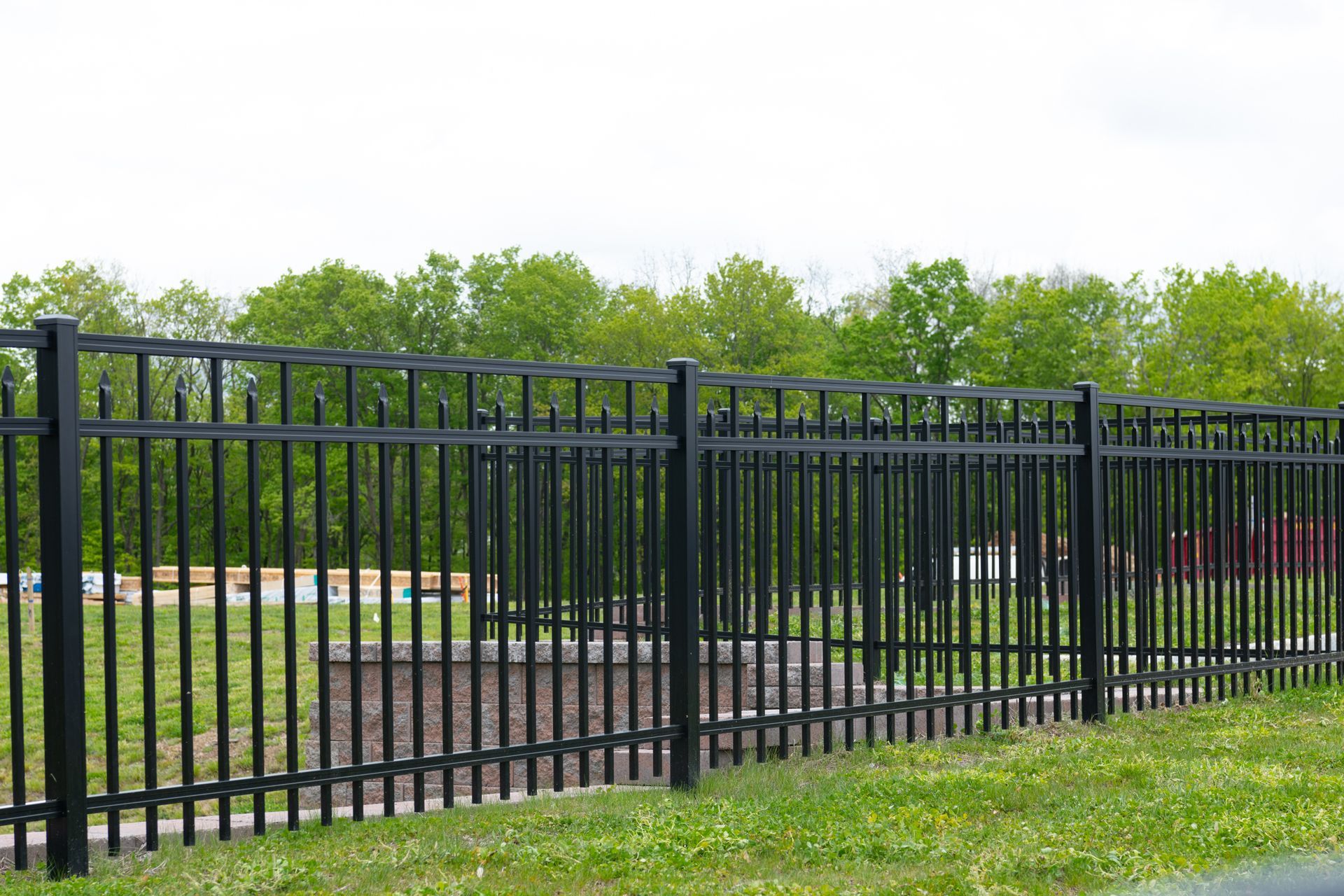
Fence Materials for Wilmington's Coastal Environment
Salt air, humidity, heavy rain, sandy soil, and hurricane winds all affect how long a fence lasts. Choosing the right material is one of the most important parts of any fence installation in the Wilmington area.
Aluminum Fencing
Aluminum naturally resists rust and corrosion, making it one of the best choices for coastal fence installation. It is low maintenance and available in ornamental and pool-compliant styles.
Vinyl Fencing
Vinyl fencing resists moisture, rot, and insects and does not need painting or staining. It is a common choice for residential privacy and decorative fencing.
Wood Fencing
Pressure-treated wood fencing offers a traditional look and flexibility in style. Proper sealing and periodic maintenance help wood fences stand up to humidity and moisture.
Steel and Ornamental Iron Fencing
Galvanized and powder-coated steel provides maximum strength for security and commercial fencing. Protective finishes help reduce corrosion from salt air.
Chain Link Fencing
Galvanized and vinyl-coated chain link fencing provides durable, affordable coverage for large residential and commercial areas.
The Fence Installation Process
A fence that lasts starts with careful planning and solid construction from the ground up.
Property Line Confirmation
Before fence installation begins, property lines should be confirmed using a survey or plat so the fence is placed correctly and avoids disputes with neighbors.
Permits and HOA Approval
Many jurisdictions and homeowners associations have rules for fence height, style, materials, and setbacks. Securing permits and HOA approval before work starts prevents costly changes later.
Utility Locating
Underground utilities are marked before any digging to protect water, sewer, electric, gas, and communication lines.
Post Setting and Footings
Wilmington's sandy soil and high water table require posts set at proper depth in concrete to resist leaning and wind loads. Strong footings are the foundation of every reliable fence installation.
Gate Placement and Hardware
Gates are positioned for convenient access and built with heavy-duty posts and hinges. When automation is planned, fence installation includes reinforced gate posts and conduit for future wiring.
Final Inspection and Cleanup
Completed fences are checked for alignment, level, secure fastening, and smooth gate operation before the site is cleaned up.
Frequently Asked Questions About Fence Installation in Wilmington, NC
How much does fence installation cost in Wilmington, NC?
Fence installation cost depends on fence material, height, length, style, terrain, and the number of gates. An on-site estimate provides accurate pricing based on your property and project goals.
What is the best fence material for coastal areas?
Aluminum and vinyl are among the best fence materials for coastal areas because they resist rust, rot, and moisture. Galvanized and powder-coated steel works well when added strength is needed.
Do I need a permit for fence installation in Wilmington?
Permit requirements depend on your jurisdiction, fence height, and location on the property. HOA approval may also be required. Checking local rules before fence installation begins prevents delays.
How long does fence installation take?
Most residential fence installation projects are completed within a few days once materials are on site. Larger commercial and security fencing projects can take longer depending on length and site conditions.
How deep should fence posts be set?
Fence posts are typically set at a depth based on fence height, soil conditions, and wind exposure. Sandy coastal soils often require deeper footings to keep posts stable.
What height should a privacy fence be?
Privacy fences are commonly six feet tall, though local regulations and HOA rules may limit height in front yards or along certain property lines.
What are the requirements for a pool fence?
Pool fences must meet requirements for minimum height, picket spacing, and self-closing, self-latching gates. Local codes determine the exact specifications.
Can a gate be automated after a fence is installed?
Yes, a gate can be automated later if the gate posts and frame are strong enough to support an operator. Planning reinforced posts and conduit during fence installation makes future automation easier.
How do I find my property line before installing a fence?
Your property line can be confirmed using a recent survey, plat map, or by hiring a licensed surveyor to mark the boundaries before fence installation.
Can fences withstand hurricane winds?
Fences built with properly set posts, quality materials, and designs that allow some airflow are better able to withstand high winds. Solid privacy fences face greater wind loads than open styles.
What type of fence is best for security?
Steel, ornamental iron with anti-climb features, and commercial chain link are strong choices for security fencing, especially when combined with security gates, access control, and surveillance cameras.
How long does a fence last?
Fence lifespan depends on material, installation quality, and maintenance. Aluminum, vinyl, and coated steel typically last longer than untreated wood, especially in coastal climates.