

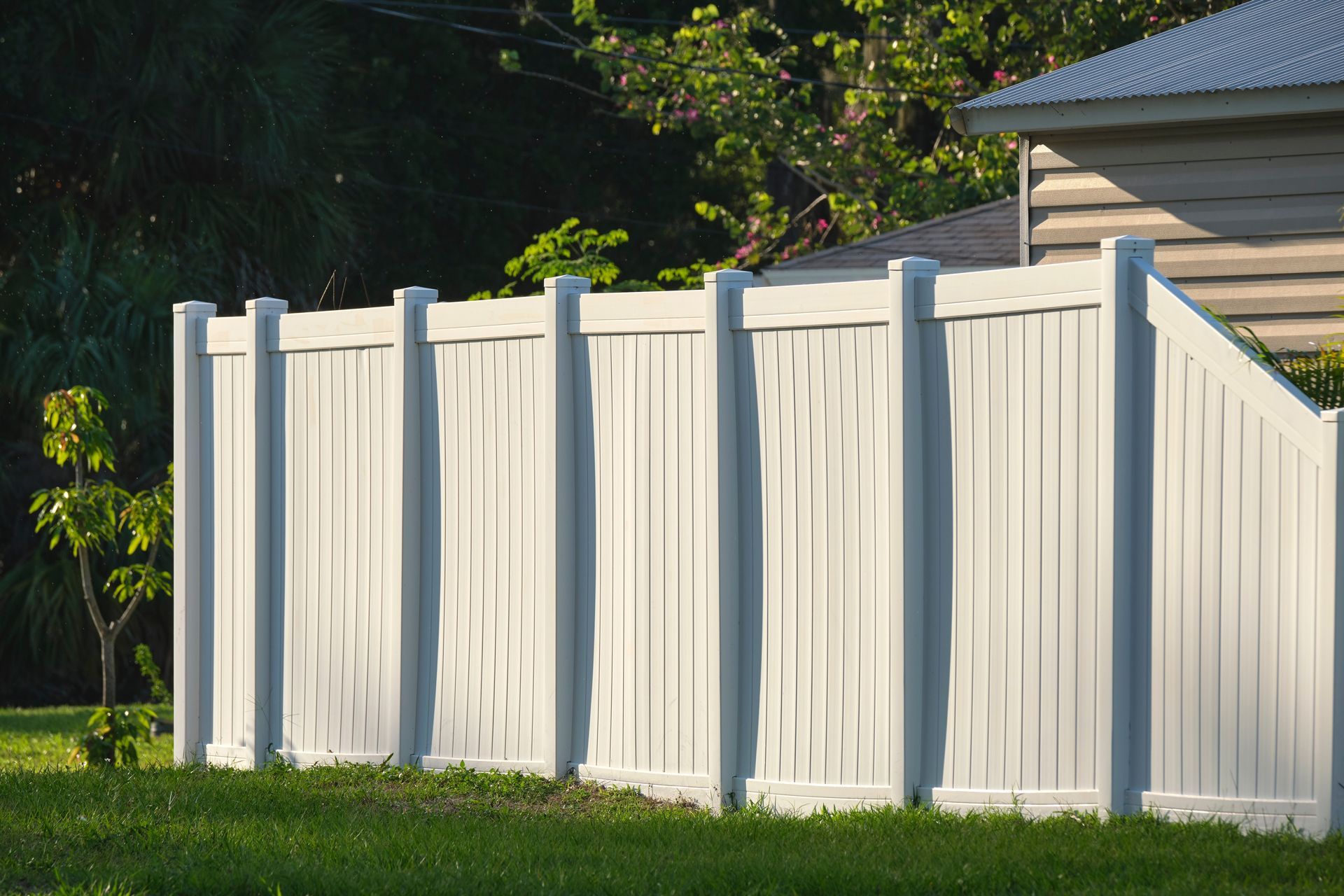
Whether your backyard faces a busy road, a neighbor's second-story windows, or a public path to the beach, privacy fencing turns an exposed yard into a space you actually want to use. Perimeter Access Solutions designs and installs privacy fencing in Wilmington, NC and surrounding areas, including Leland, Hampstead, Wrightsville Beach, Carolina Beach, Porters Neck, Ogden, and Castle Hayne. We build privacy fencing for homes, townhomes, pools, patios, and outdoor living areas, along with screening fences for businesses, HOA amenities, and commercial properties. Every privacy fence is planned for the right height, style, and material, then built on footings designed to handle the wind loads that solid fences face along the coast.
Schedule privacy fencing
in Wilmington, NC with Perimeter Access Solutions
today.
Where Privacy Fencing Makes the Biggest Difference
Privacy fencing is most effective when it is placed where sightlines, noise, and foot traffic affect how you use your property.
Backyards and Outdoor Living Areas
Backyard privacy fencing blocks views from neighboring homes and streets so patios, decks, fire pits, and outdoor kitchens feel secluded.
Pools and Hot Tubs
Privacy fencing around pools and hot tubs adds seclusion while helping control access. When a pool is involved, fencing and gates must also meet safety code requirements for height and self-closing hardware.
Homes Along Busy Roads
Properties along high-traffic roads benefit from taller, solid privacy fencing that blocks headlights, reduces visible traffic, and helps soften road noise.
Townhomes and Close Neighbors
Townhomes, patio homes, and newer subdivisions often have small lots and close neighbors. Short runs of privacy fencing or privacy screens can create separation without enclosing the entire yard.
Beach Access and Public Paths
Homes near public beach accesses, greenways, and walking trails use privacy fencing to separate the yard from passing foot traffic.
Commercial Screening
Businesses use privacy fencing to hide dumpsters, mechanical equipment, storage areas, and service entrances from customers and neighboring properties.
Privacy Fencing Styles
The style you choose controls how much privacy you get, how the fence looks from each side, and how it handles wind.
Solid Board Privacy Fences
Solid board fences place boards tightly together with no gaps, offering complete visual privacy. This is the most common style of residential privacy fencing.
Shadowbox and Board-on-Board Privacy Fences
Shadowbox and board-on-board styles alternate or overlap boards on both sides of the rails. They look finished from both sides, provide strong privacy from straight-on views, and allow some airflow through the fence.
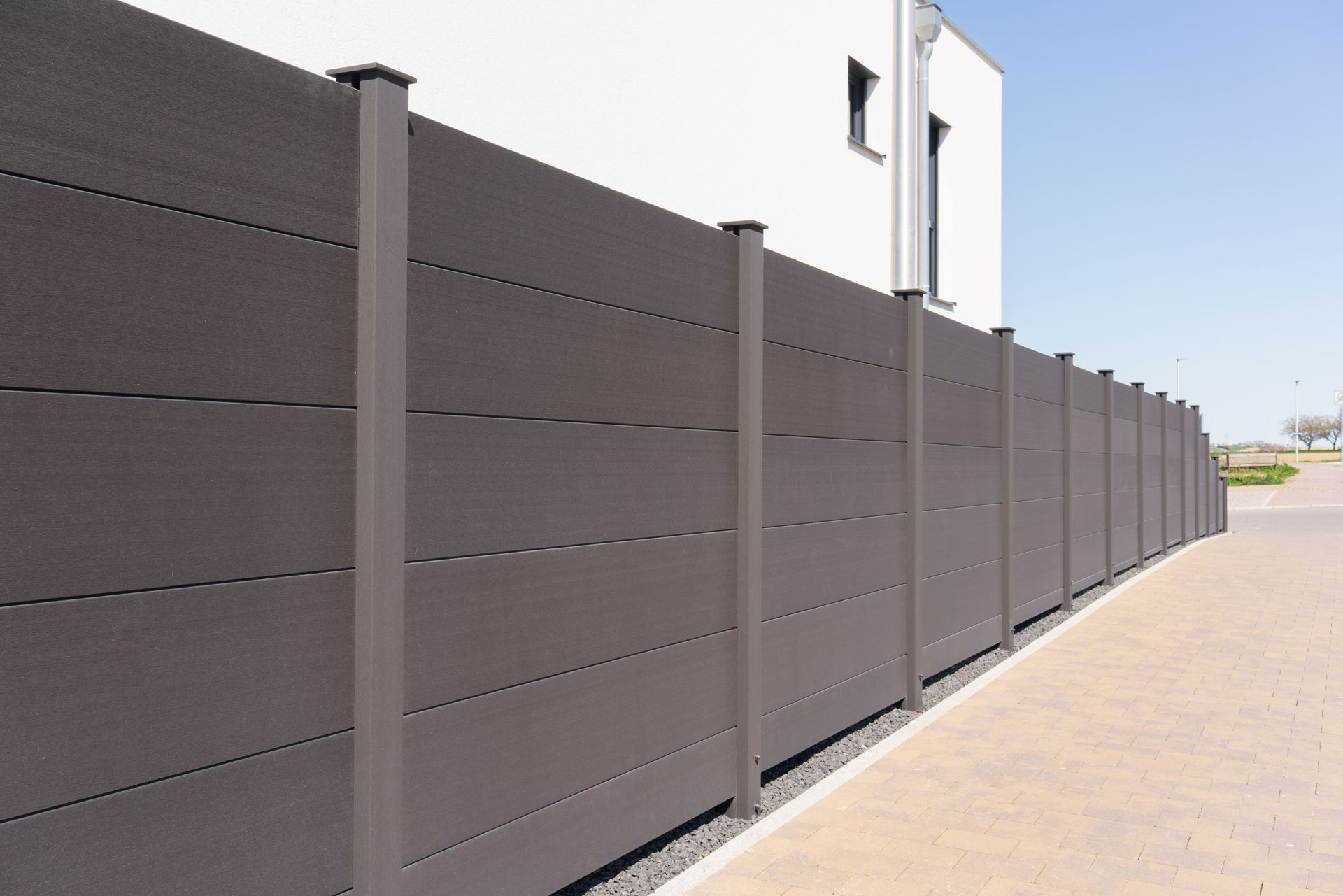
Horizontal Privacy Fences
Horizontal board privacy fencing creates a modern look that pairs well with contemporary and coastal home designs.
Lattice-Top and Semi-Privacy Fences
Adding lattice or open spacing at the top of a privacy fence softens its appearance, allows light through, and reduces wind load while still blocking most views.
Privacy Panels and Screens
Freestanding privacy panels can be placed around patios, hot tubs, and air conditioning units where a full perimeter fence is not needed.
Living and Layered Privacy
Some homeowners combine shorter privacy fencing with landscaping to build layered screening that grows over time.
Privacy Fencing Materials for Coastal Properties
Wilmington's humidity, intense sun, salt air, and heavy rain affect how privacy fencing ages. Material choice determines maintenance and lifespan.
Vinyl Privacy Fencing
Vinyl is one of the most popular privacy fencing materials in coastal North Carolina. It resists moisture, rot, insects, and mildew and never needs painting or staining. UV-protected vinyl holds its color in strong sun.
Wood Privacy Fencing
Pressure-treated pine and cedar offer a natural look and flexible styling. Wood privacy fencing performs best when stained or sealed regularly to resist moisture, warping, and decay.
Composite Privacy Fencing
Composite combines the look of wood with better moisture resistance and lower maintenance, making it a strong option for privacy fencing near the water.
Aluminum Privacy Fencing
Aluminum privacy fencing uses solid slats or panels on a rust-proof frame. It suits modern designs and coastal homes where corrosion resistance matters.
Chain Link With Privacy Slats
Chain link with privacy slats provides an economical privacy fencing option for large backyards, side yards, and commercial screening.
Request a privacy fencing estimate in Wilmington, NC from Perimeter Access Solutions.
Height, Wind Load, and Coastal Construction
Privacy fencing faces more wind pressure than open fence styles because it acts like a wall. Construction details make the difference between a fence that stands and one that leans or falls during storms.
Choosing the Right Height
Six feet is the most common height for backyard privacy fencing, though local codes and HOA rules may allow taller fences in some areas and require shorter fences in front yards.
Post Spacing and Footing Depth
Solid privacy fencing requires closer post spacing and deeper concrete footings to handle wind loads, especially in sandy coastal soil with a high water table.
Rail Strength and Fasteners
Heavy-duty rails and corrosion-resistant fasteners keep privacy fencing panels secure and reduce sagging over time.
Airflow-Friendly Designs
Shadowbox, board-on-board, and lattice-top styles allow some wind to pass through, reducing stress on posts during high winds.
Drainage and Ground Clearance
Leaving proper clearance at the bottom of privacy fencing helps rainwater drain, reduces rot on wood fences, and prevents debris buildup in low-lying yards.
Planning Privacy Fencing With HOAs, Neighbors, and Gates
Careful planning keeps privacy fencing compliant, attractive, and functional.
HOA Approval
Many neighborhoods regulate privacy fencing height, color, material, and placement. HOA approval should be secured before installation begins.
Property Lines and Permits
Privacy fencing should be placed using a survey or plat to confirm property lines. Local permits and setback rules may also apply.
Finished Side Placement
Many communities require the finished side of privacy fencing to face outward toward neighbors or the street. Shadowbox styles look finished from both sides.
Privacy Gates
Walk gates and drive gates built in matching styles keep privacy consistent across the entire fence line. Reinforced frames and heavy-duty hinges prevent sagging.
Automated Gates and Security Integration
Privacy fencing can be combined with automated driveway gates, keypad or smartphone access, video intercoms, and security cameras for a private and secure property.
Frequently Asked Questions About Privacy Fencing in Wilmington, NC
What is the best material for privacy fencing near the coast?
Vinyl and composite are among the best privacy fencing materials for coastal homes because they resist moisture, rot, and insects with little maintenance. Aluminum privacy panels also resist corrosion.
How tall should a privacy fence be?
Most backyard privacy fencing is six feet tall. Local regulations and HOA guidelines determine the maximum allowed height for your property.
How much does privacy fencing cost in Wilmington?
Privacy fencing cost depends on material, height, linear footage, style, terrain, and the number of gates. An on-site estimate provides accurate pricing.
Will a privacy fence survive a hurricane?
Privacy fencing built with proper post spacing, deep footings, and strong rails holds up better in high winds. Styles that allow some airflow reduce wind load on the fence.
What is the difference between shadowbox and solid privacy fencing?
Solid privacy fencing has no gaps and offers complete privacy from one finished side. Shadowbox alternates boards on both sides of the rails, so it looks finished from both sides and allows some airflow.
Does privacy fencing reduce noise?
Solid privacy fencing can soften road and neighborhood noise, though it will not eliminate sound entirely. Denser materials and taller heights provide more noise reduction.
Do I need HOA approval for a privacy fence?
Most HOA communities require approval before installing privacy fencing. Guidelines often specify height, material, color, and style.
How long does vinyl privacy fencing last?
Quality vinyl privacy fencing can last many years with minimal maintenance, making it one of the longest-lasting privacy options in coastal climates.
How often does wood privacy fencing need to be sealed?
Wood privacy fencing typically benefits from staining or sealing every few years to protect against moisture, sun damage, and decay.
Can privacy fencing be used around a pool?
Yes, privacy fencing can enclose a pool, but it must meet pool code requirements for height, gate operation, and latching. Climbable features on the outside of the fence should be avoided.
Which side of a privacy fence faces the neighbor?
Many local rules and HOA guidelines require the finished side to face outward toward neighbors or the street. Shadowbox styles are finished on both sides.
Can I add a driveway gate to my privacy fence?
Yes, privacy fencing can include matching drive gates, and those gates can be automated with access control and video intercoms when posts are built to support an operator.